




Through these mechanics and minigames, players do not only observe the algorithm but actively experience its step-by-step logic within a narrative-driven environment.

The Journey
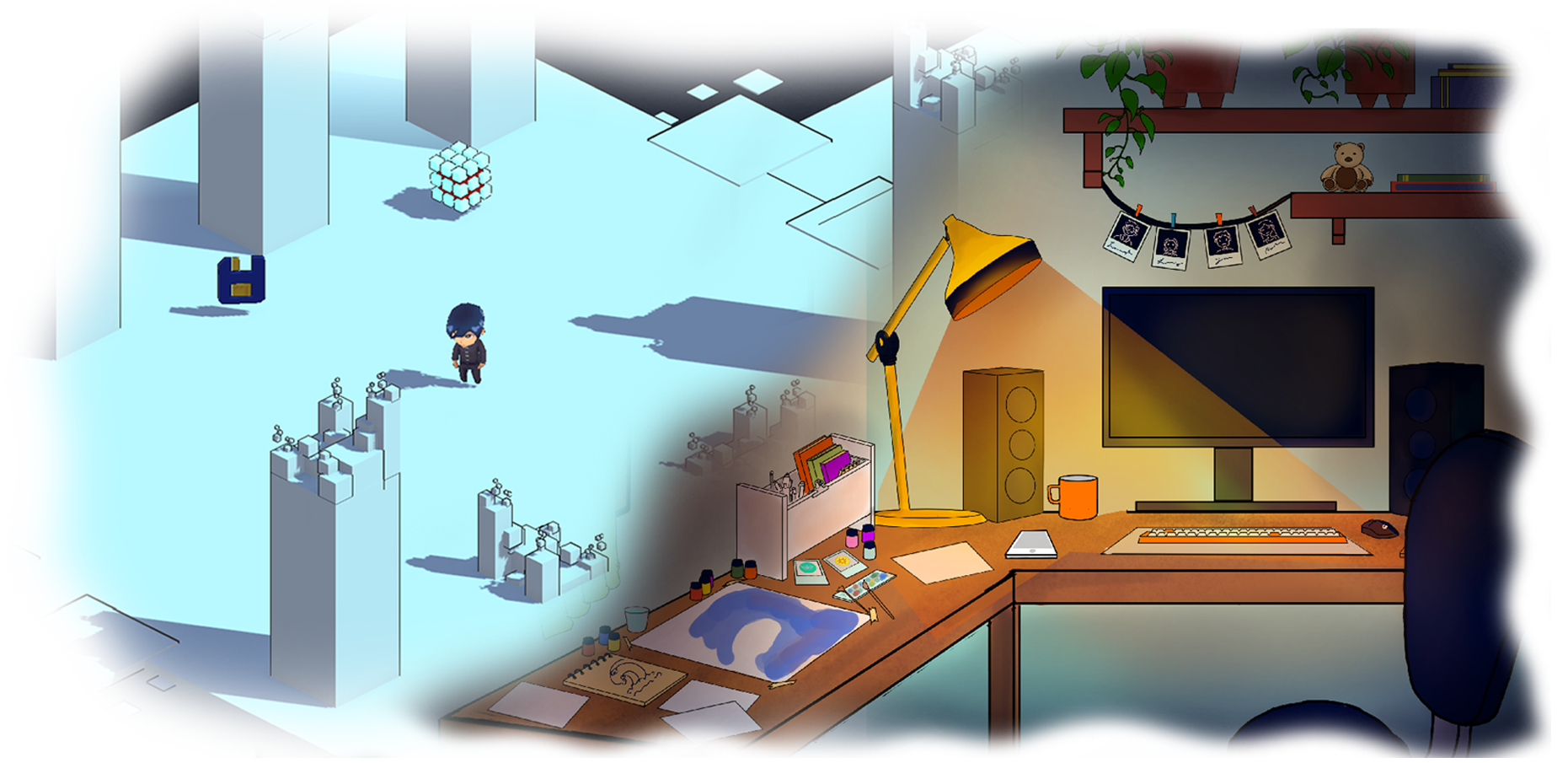
It was another all-nighter for Charlie. Fueled by energy drinks and exhaustion,
he finally collapses onto his keyboard. When he regains consciousness, he's no
longer in his room, he's trapped inside his computer, inside a digital world
known as
Codenundrum
Codenundrum
Codenundrum (pronounced code-nun-drum) is derived from the word conundrum,
which means a challenging puzzle or difficult problem. We combined it with
the word code, which represents programming and algorithms.
So, Codenundrum symbolizes a coding challenge or an algorithmic puzzle
that players must solve.
,
a realm built from coding puzzles and algorithmic challenges.
Guided by a floating Mouse, he must journey through different digital chapters to find a way back home. Each chapter operates on its own sorting algorithm Sorting algorithm A sorting algorithm is a step-by-step method used to arrange data in a specific order. It organizes items like numbers (3,1,5 → 1,3,5) or objects based on size, name, or value. logic, how elements are compared and arranged. To escape the Codenundrum Codenundrum Codenundrum (pronounced code-nun-drum) is derived from the word conundrum, which means a challenging puzzle or difficult problem. We combined it with the word code, which represents programming and algorithms. So, Codenundrum symbolizes a coding challenge or an algorithmic puzzle that players must solve. , Charlie must understand and master these algorithmic puzzles, one chapter at a time.
Guided by a floating Mouse, he must journey through different digital chapters to find a way back home. Each chapter operates on its own sorting algorithm Sorting algorithm A sorting algorithm is a step-by-step method used to arrange data in a specific order. It organizes items like numbers (3,1,5 → 1,3,5) or objects based on size, name, or value. logic, how elements are compared and arranged. To escape the Codenundrum Codenundrum Codenundrum (pronounced code-nun-drum) is derived from the word conundrum, which means a challenging puzzle or difficult problem. We combined it with the word code, which represents programming and algorithms. So, Codenundrum symbolizes a coding challenge or an algorithmic puzzle that players must solve. , Charlie must understand and master these algorithmic puzzles, one chapter at a time.
Codenundrum
Codenundrum (pronounced code-nun-drum) is derived from the word conundrum, which means a challenging puzzle or difficult problem. We combined it with the word code, which represents programming and algorithms. So, Codenundrum symbolizes a coding challenge or an algorithmic puzzle that players must solve.
Main Characters
Get to know the characters who will guide and accompany you as you explore the digital world of Codenundrum.
VIEW 3D MODEL
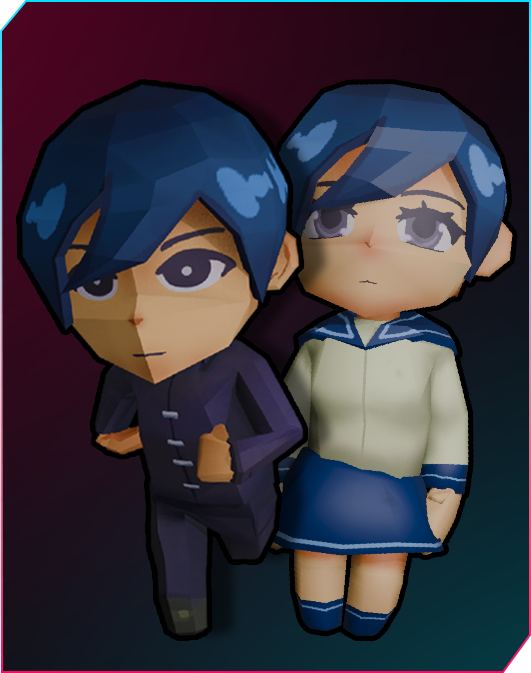
Male
3D Viewer
Female
3D Viewer
Featured Chapters
Each chapter presents a unique genre and sorting challenge.
CHAPTER 1
A MEMORY WORTH SAVING
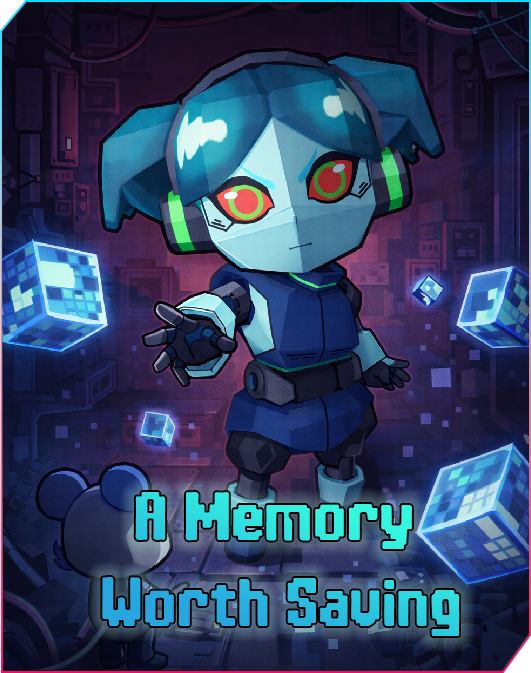
You and your mouse are suddenly transported into an old, mysterious house filled with strange mechanical devices and scattered fragments of forgotten memories. Inside, you meet Lizzy—a short-tempered robot girl who mistakes you for a threat at first. After a brief confrontation, she realizes you might be the only one who can help her.
The house is unstable because Lizzy’s memories are broken and scattered into Memory Cubes hidden across different rooms. Each cube contains pieces of her past, but they are disorganized and out of sequence. To restore the house and uncover the truth behind Lizzy’s memories, you must carefully rearrange these fragments in the correct order—one problem at a time.
As you restore order, the house slowly repairs itself, and Lizzy begins to remember who she truly is.
ALGORITHM EXPLANATION
Chapter 1 introduces two fundamental sorting algorithms. Together, these two algorithms demonstrate different logical approaches to organizing data from disorder into order.
Selection Sort
Selection Sort
Selection Sort works by looking at a list of numbers and finding the smallest number first. It then moves that smallest number to the correct spot at the beginning.
|
Bubble Sort
Bubble Sort
Bubble Sort works by looking at two numbers beside each other and checking if they are in the wrong order. If they are, it swaps them.
Algorithm Explanation: Selection Sort
Selection Sort works by looking at a list of numbers and finding the smallest number first. It then moves that smallest number to the correct spot at the beginning.
After that, it ignores the part that is already sorted and looks at the rest of the numbers. Again, it finds the smallest one and puts it in the next correct spot.
Each time you do this, one more number is placed in the right position and stays there forever. The sorted part gets bigger, and the unsorted part gets smaller, until everything is in order.
Algorithm Explanation: Bubble Sort
Bubble Sort works by looking at two numbers beside each other and checking if they are in the wrong order. If they are, it swaps them.
It starts at the beginning of the list and checks each pair of numbers one by one until it reaches the end.
By the time it finishes one full round, the biggest number will have moved step by step to the last spot in the list, like it slowly “floats” to the end.
You repeat this process again and again until no numbers need to be swapped.
GAMEPLAY IMPLEMENTATION
Selection Sort
Selection Sort
Selection Sort (Memory Cubes) - organize cubes smallest to biggest, lock correct ones in place.
|
Bubble Sort
Bubble Sort
Bubble Sort minigame repairs wires by swapping adjacent elements; bigger values “bubble” to correct spots.
Gameplay Interaction: Selection Sort
Selection Sort (Memory Cubes)
In this minigame, you will organize Memory Cubes from smallest to biggest.
You start by looking at the cubes that are not yet sorted. Your objective is to find the smallest number and swap it into the highlighted spot.
When you place the correct cube in the right position, it locks in place. This means it’s already sorted and won’t move anymore. Each time you do this, the sorted part gets bigger, and the unsorted part gets smaller — until everything is in order.
Nodes Minigame (Wire Challenge)
In this minigame, a runner moves along connected nodes (points) through a wire.
Your objective is to guide the runner so it activates the checkpoints in the correct order. If the runner goes in the wrong order, the checkpoints reset and you have to start again.
You need to think carefully about the correct sequence, just like sorting numbers in the right order.
Gameplay Interaction: Bubble Sort
For Bubble Sort, players repair tangled wires and recalibrate power cells by swapping adjacent elements only. Through repeated comparisons and multiple passes, higher values gradually move to their correct positions. A pass counter and visual feedback demonstrate how elements “bubble” into place over time.
Chapter 1: Key Characters
3D Viewer
LIZZY
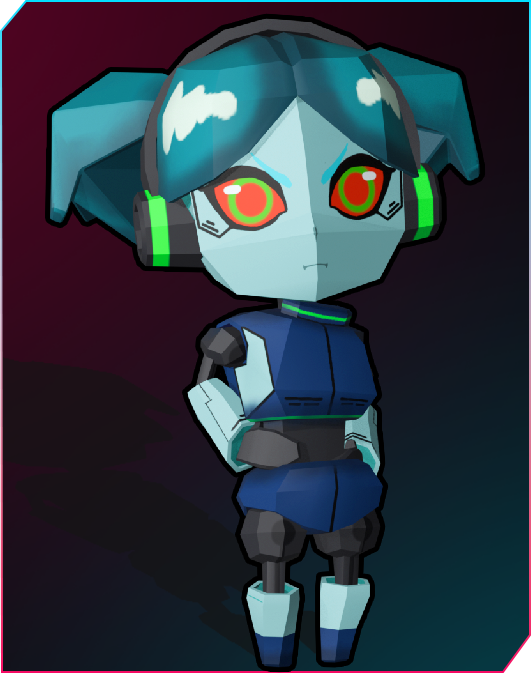
Lizzy is a short-tempered robot girl who lives inside the mysterious old house. When you first meet her, she sees you as a threat and reacts aggressively. She is defensive, distrustful, and clearly frustrated. However, beneath her anger is confusion and fear.
Lizzy’s personality is deeply affected by her broken memories. Because her past is scattered into disorganized Memory Cubes, she doesn’t fully understand who she is or what happened before. This memory loss makes her unstable and emotionally reactive.
As the player restores her memories in the correct order, Lizzy slowly changes. She becomes calmer, more aware, and more trusting. Through this journey, players discover that her anger was not hatred—but the result of being lost and incomplete.
By the end of Chapter 1, Lizzy transforms from a hostile guardian of a broken house into someone rediscovering her true identity.
IN-DIALOGUE EMOTES






3D Viewer
ROBOMICE
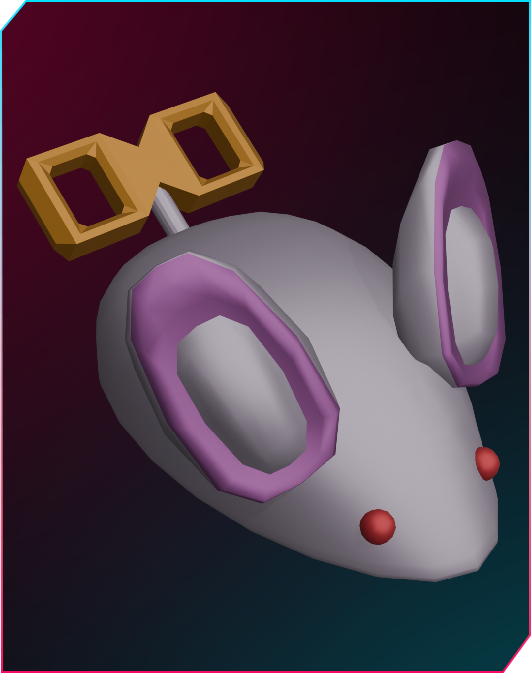
Robomice are small, pesky mechanical creatures that wander around Lizzy’s house. They often move unpredictably and can be a bit annoying, constantly scurrying through rooms and hiding among the broken Memory Cubes.
Although Lizzy frequently complains about them and acts irritated, she never tries to damage or destroy them. Despite her short temper, she allows them to stay.
Deep down, Lizzy doesn’t truly hate them. Perhaps the Robomice are the only constant companions she has left in the empty, unstable house—and she secretly appreciates their presence.
CHAPTER 2

LEAP OF FAITH
Faith Williams is a talented theatre actress preparing for an important performance in just two months. On the outside, she appears confident, witty, and full of charm. She speaks with humor and carries herself like someone who belongs on stage.
However, behind that confident exterior lies quiet uncertainty. Faith has recently moved into a new apartment, hoping for a fresh start—but her space is cluttered, mirroring the emotional weight she carries from her past. The disorganization around her reflects the doubts and unresolved struggles she tries to ignore.
ALGORITHM EXPLANATION
Chapter 2 introduces Heap Sort, a sorting algorithm that organizes data by building a structured hierarchy where the highest-priority element rises to the top. It works by always picking what matters most first, then rearranging the rest until everything is in the right order.
Heap Sort
Heap Sort
Heap Sort builds a binary heap from the data, then repeatedly extracts the maximum element and rebuilds the heap until the list is sorted.
|
Quick Sort
Quick Sort
Quick Sort picks a pivot element, partitions the array around the pivot, and recursively sorts the partitions, offering average‑case efficiency.
Algorithm Explanation: Selection Sort
Selection Sort works by looking at a list of numbers and finding the smallest number first. It then moves that smallest number to the correct spot at the beginning.
After that, it ignores the part that is already sorted and looks at the rest of the numbers. Again, it finds the smallest one and puts it in the next correct spot.
Each time you do this, one more number is placed in the right position and stays there forever. The sorted part gets bigger, and the unsorted part gets smaller, until everything is in order.
Algorithm Explanation: Bubble Sort
Bubble Sort works by looking at two numbers beside each other and checking if they are in the wrong order. If they are, it swaps them.
It starts at the beginning of the list and checks each pair of numbers one by one until it reaches the end.
By the time it finishes one full round, the biggest number will have moved step by step to the last spot in the list, like it slowly “floats” to the end.
You repeat this process again and again until no numbers need to be swapped.
GAMEPLAY IMPLEMENTATION
In this chapter, players apply Heap Sort by organizing Faith’s belongings based on importance, maintaining balance after every change. Instead of just learning the concept, they experience how prioritization and restructuring work within a narrative-driven environment.
Heap Sort
Heap Sort
In the Heap Sort minigames, players help Faith organize her belongings by arranging items based on importance. The goal is to always identify the most important item and place it in its proper position first.
After placing an item, the remaining items automatically shift and rebalance, requiring the player to repeat the process until everything is properly organized. | Quick Sort Quick Sort In the Quick Sort minigame, players organize items by first choosing a pivot—a reference item that helps divide the rest into two groups: those that are smaller and those that are larger. After separating the items around the pivot, the player repeats the same process on the smaller groups until everything is correctly arranged.
After placing an item, the remaining items automatically shift and rebalance, requiring the player to repeat the process until everything is properly organized. | Quick Sort Quick Sort In the Quick Sort minigame, players organize items by first choosing a pivot—a reference item that helps divide the rest into two groups: those that are smaller and those that are larger. After separating the items around the pivot, the player repeats the same process on the smaller groups until everything is correctly arranged.
Gameplay Interaction: Heap Sort
In the Heap Sort minigames, players help Faith organize her belongings by arranging items based on importance. The goal is to always identify the most important item and place it in its proper position first.
After placing an item, the remaining items automatically shift and rebalance, requiring the player to repeat the process until everything is properly organized.
Gameplay Interaction: Quick Sort
In the Quick Sort minigame, players organize items by first choosing a pivot—a reference item that helps divide the rest into two groups: those that are smaller and those that are larger. After separating the items around the pivot, the player repeats the same process on the smaller groups until everything is correctly arranged.
Chapter 2: Key Characters

FAITH WILLIAMS
Lizzy is a short-tempered robot girl who lives inside the mysterious old house. When you first meet her, she sees you as a threat and reacts aggressively. She is defensive, distrustful, and clearly frustrated. However, beneath her anger is confusion and fear.
Lizzy’s personality is deeply affected by her broken memories. Because her past is scattered into disorganized Memory Cubes, she doesn’t fully understand who she is or what happened before. This memory loss makes her unstable and emotionally reactive.
As the player restores her memories in the correct order, Lizzy slowly changes. She becomes calmer, more aware, and more trusting. Through this journey, players discover that her anger was not hatred—but the result of being lost and incomplete.
By the end of Chapter 1, Lizzy transforms from a hostile guardian of a broken house into someone rediscovering her true identity.
COMING SOON... STAY TUNED!

???
???
ALGORITHM EXPLANATION
???
GAMEPLAY IMPLEMENTATION
???
How to Play
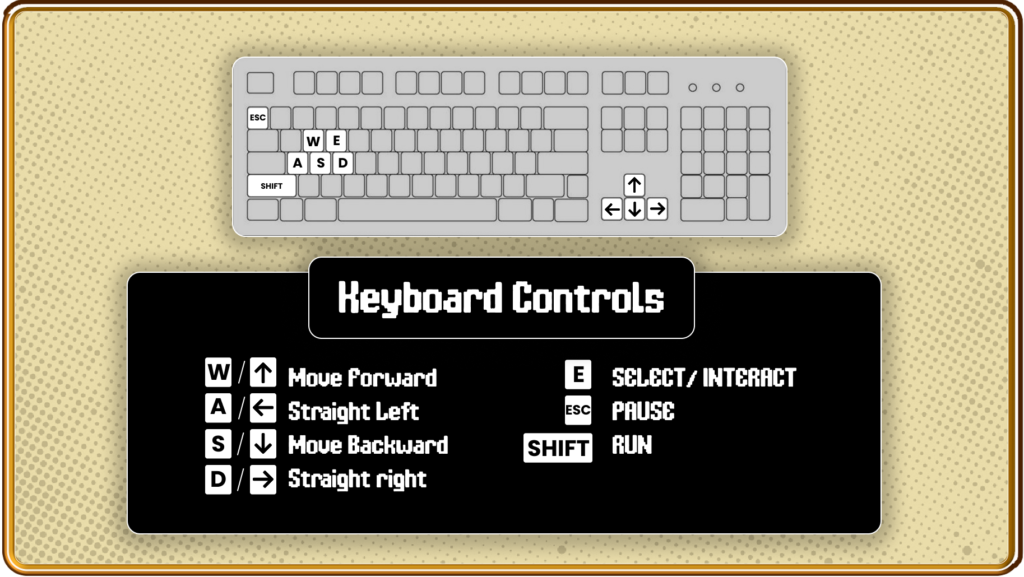
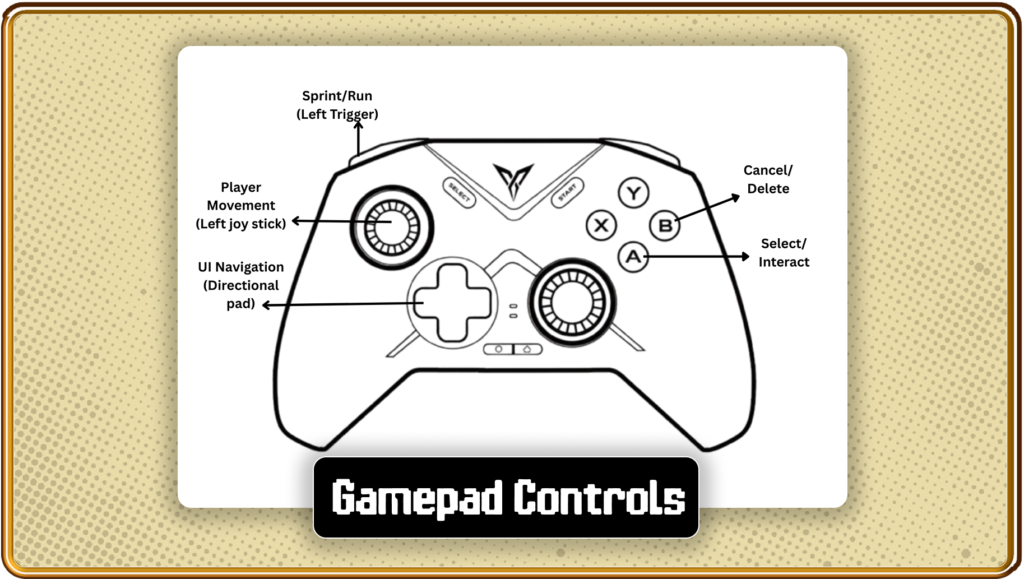
Learn the basics of movement, and interaction as you begin your journey through the system.
Keyboard Controls
Gamepad Controls
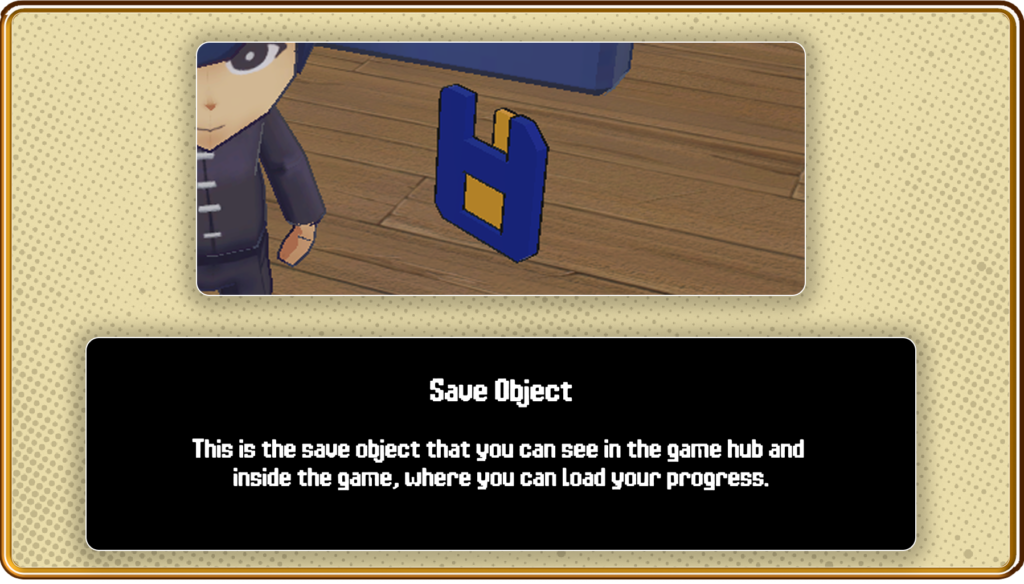
Save Object
Saving the Game
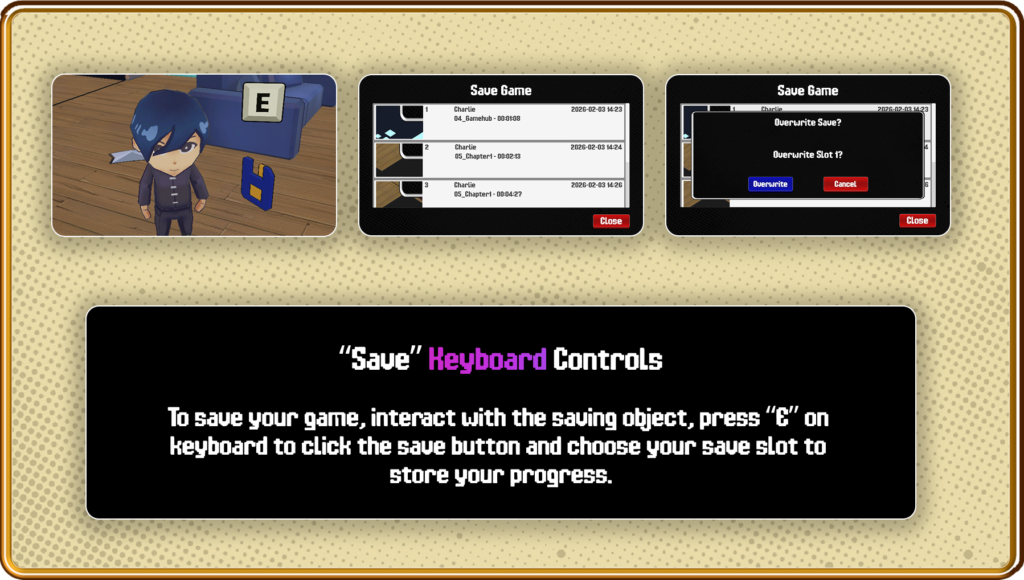
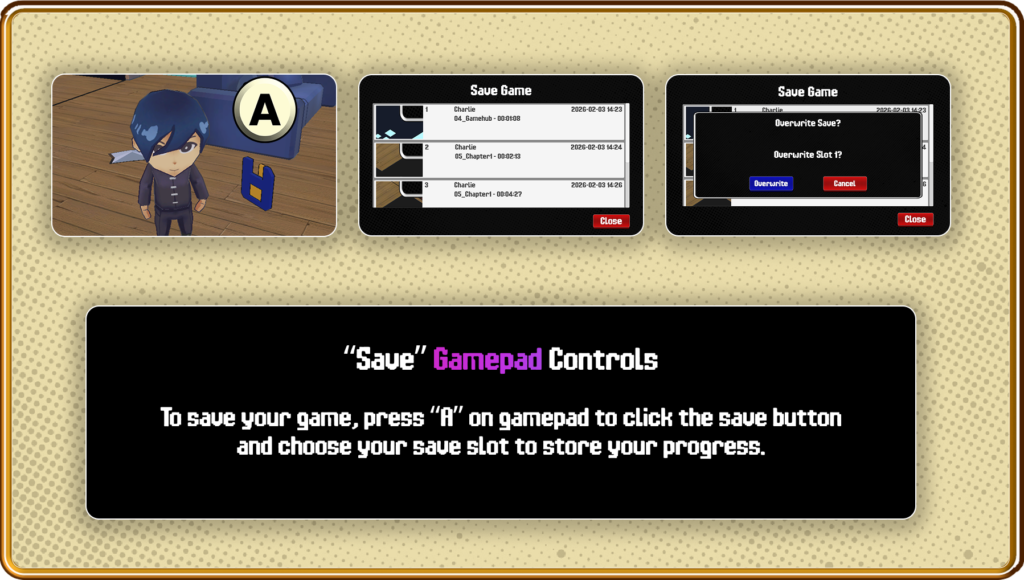
Loading the Game
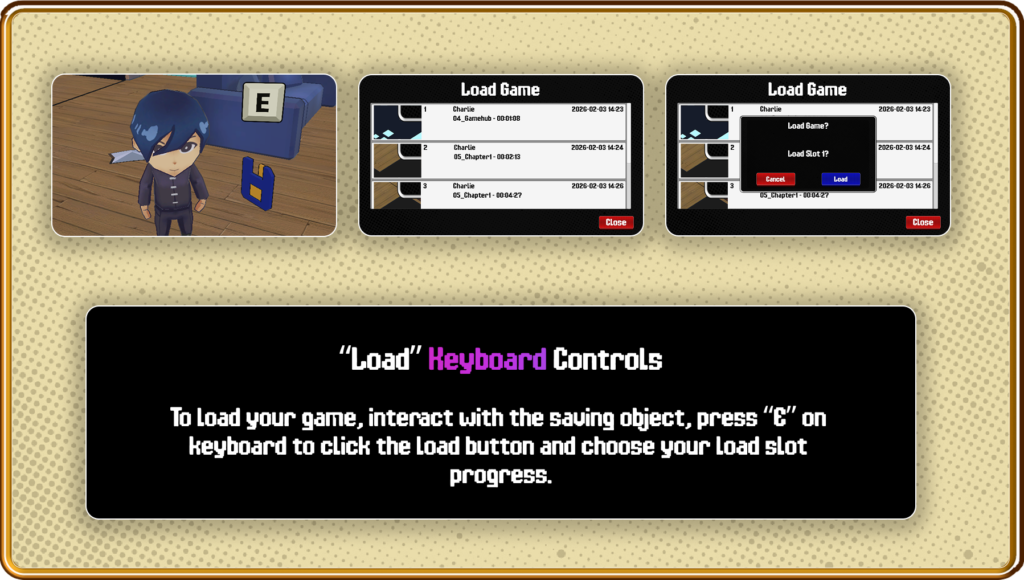
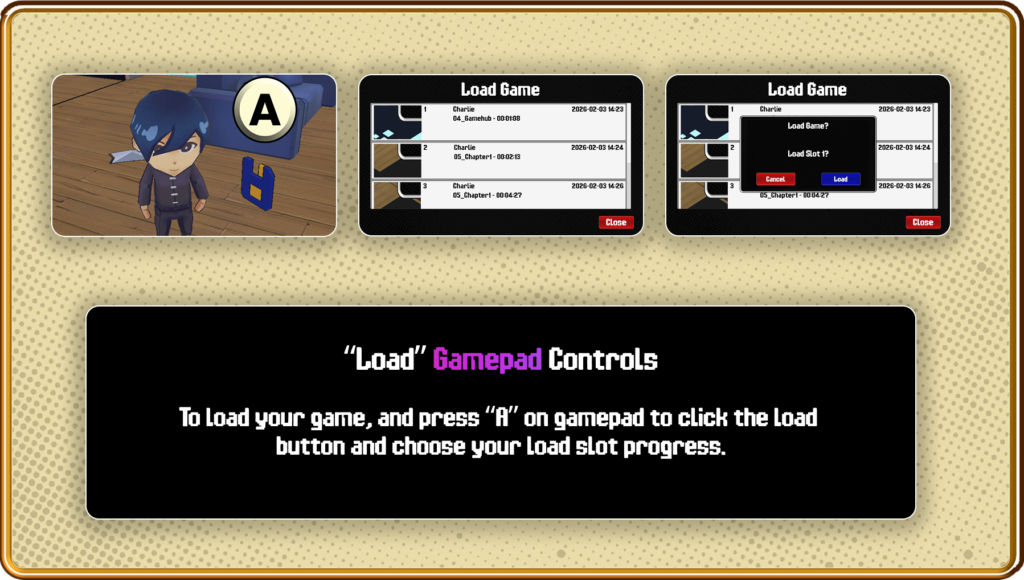
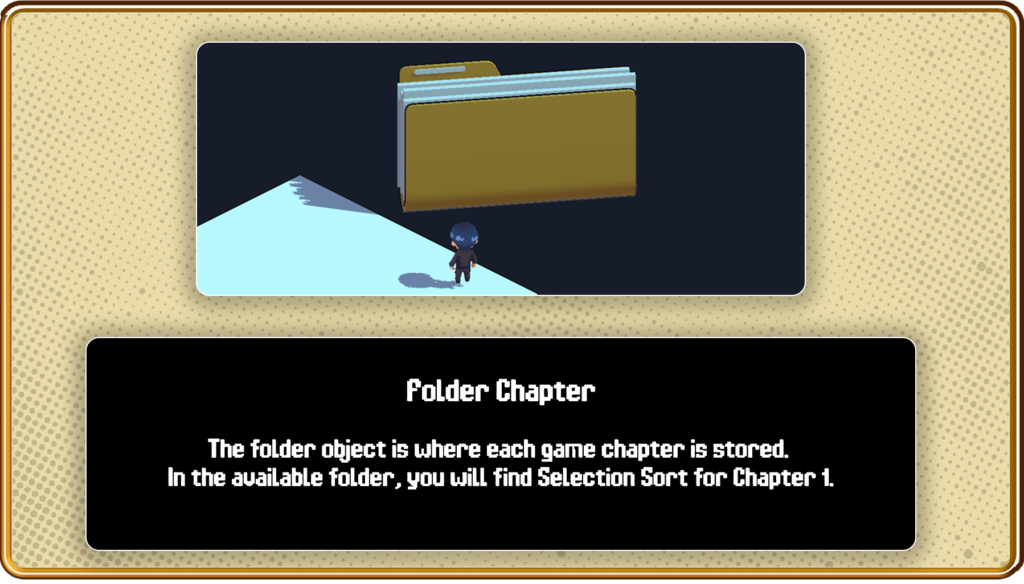
Folder Chapter
Interactive Items
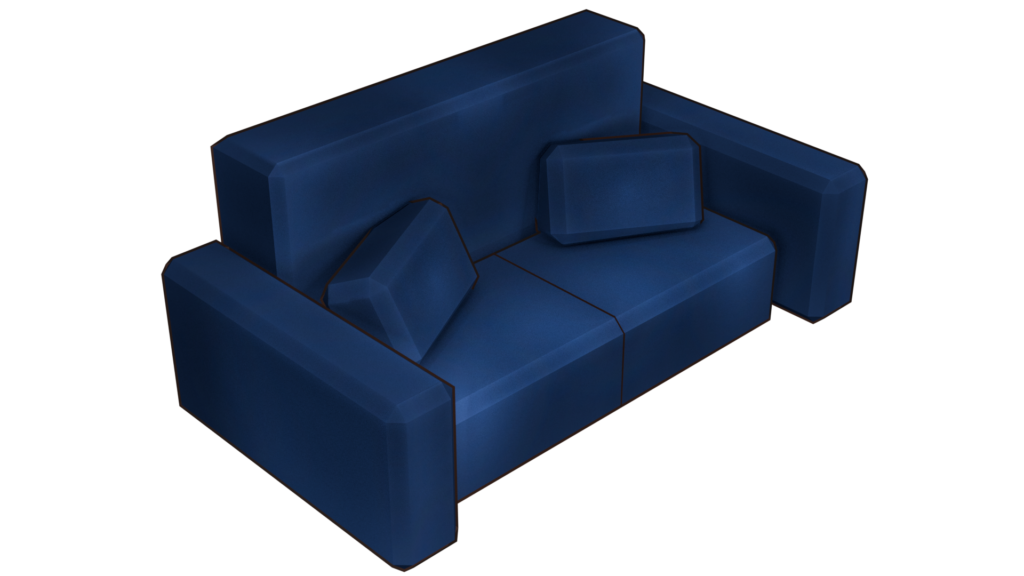
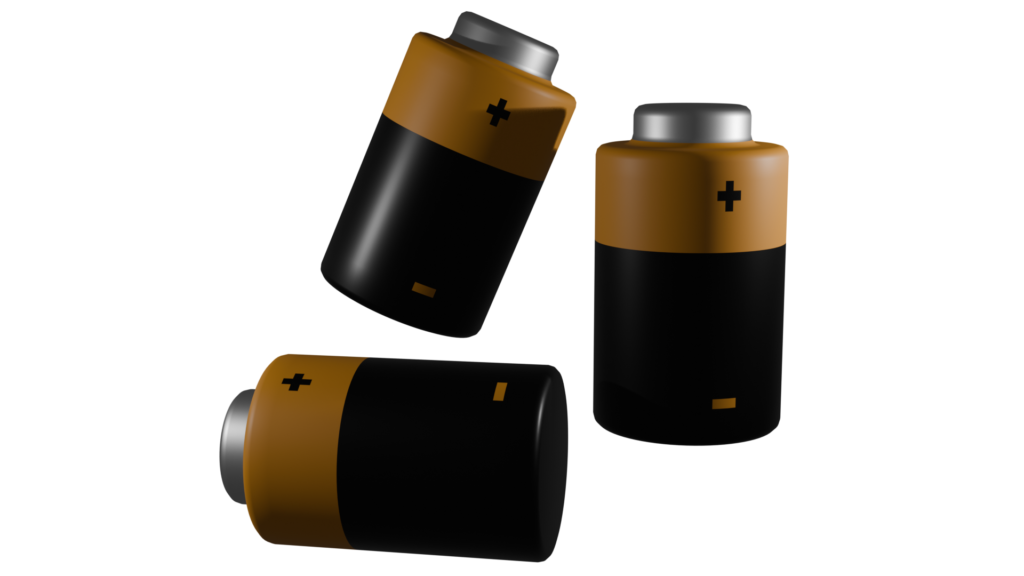
Approach items to interact, trigger dialogue, or collect useful objects as you explore the system.

3D Viewer
3D Viewer

3D Viewer

3D Viewer

3D Viewer
3D Viewer

Play. Learn. Explore.
Developed by The Clickers
SUPPORT
© 2025–2026 Codenundrum. All rights reserved.